
Companies that are best in class when it comes to safety, all have one thing in common.  And that is each employee and contractor takes ownership of their own safety.  It's part of their workplace culture.

If you were to ask employees who work at companies that are average or poor at safety, "Who is reponsible for safety?", they would say "The Safety Manager".

But at high performing companies, staff would answer "I am".

By taking ownership of safety, staff are more likely to speak up when they see safety issues, correctly report incidents, have a positive attitude towards safety and take new safety initiatives seriously.

For companies who want to improve safety, there needs to be a balance between the company doing the right things for staff when it comes to safety (ie: providing the right safety equipment, training, having clear procedures etc) and staff being fully accountable for their own safety.  It's a two way process.

Overcoming the "Invincibility" Barrier


The greatest hurdle to a safe workplace isn't a lack of rules; it’s the human brain. Most workers suffer from optimism bias - the internal belief that "accidents happen to other people, not me." When people feel invincible, they tune out training and take shortcuts.

To break through this bias, leadership must shift the focus from individual protection to collective care. We have to move the conversation from "Stay safe so you don't get hurt" to "We stay safe so we can all go home."

Here is how high-performing companies bridge that gap:


1. Cultivate a Strong Group Identity


Group identity is the psychological "glue" that transforms a collection of employees into a protective tribe. When staff identify strongly with their team, safety stops being a management directive and starts being a moral obligation to their peers.

In this environment, workers see one another as "work family." This shift in perspective is powerful: an employee might take a risk with their own fingers, but they are much less likely to take a risk that could hurt a friend.

Companies that excel here use inclusive, pride-based language. Instead of saying, "Follow the safety manual," they say, "We are XYZers, and we look out for our own. Our goal is 10 safety reports this month because we value every person on this floor." This makes safety an act of loyalty rather than just compliance.

2. High candour


Studies have found that high performing companies encourage staff, at all levels, to openly discussing issues and providing feedback to one another on performance.  While low candour workplaces are highly politicised and people are too afraid to speak up.  When people trust that they can freely talks about safety risks, then you know that they are being responsible to themselves and others and that you have an open workplace culture.

3. Positive safety attitudes


Negative workplace attitudes to safety can be contagious.  Once negative safety attitudes become viral, they're pretty hard to cure.  It's important that staff are always told that safety is achievable and that those who are negative about safety are quickly corrected.  Companies that have a belief that certain industries have more fatalities, tend to have more fatalities.  Likewise, companies who believe that safety is achievable, do well with safety.

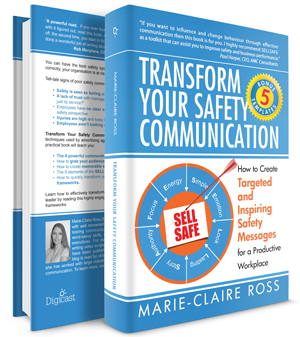
How safety gets communicated impacts attitudes. You can learn some great techniques from the book Transform your Safety Communication, get a free chapter here).

4. Friendly Supervisors


A good supervisor fosters positive safety attitudes and encourages sharing important safety-related information.  Various research studies have shown that positive communication relations between supervisors and employees improves safety performance.  Having great supervisors that expect people to take ownership of their safety (while providing them support, training and resources) is empowering.

Get support from the Supervisor Leadership Skills for a Safe Workplace. It is a highly rated and affordable online course.

 5. Tell Safety Stories


When it comes to changing people's mindsets that "it won't happen to me", the most effective way is to get people who have been injured, to talk about what happened.  After all, stories provide an emotional connection to information and can show the effect of when safety is not taken seriously.

What can you do to start getting staff to be more accountable for safety?

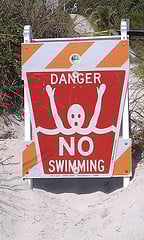
Photo Credit: Flickr, JaxStrong


Navigating Difficult Conversations: 7 Steps for Emotionally Intelligent Leaders

7 min read

Navigating Difficult Conversations: 7 Steps for Emotionally Intelligent Leaders

Navigating difficult conversations at work isn’t just a “nice to have” leadership skill – it’s the fault line that often separates healthy,...

Read More
Beyond the

8 min read

Beyond the "Why": 5 Coaching Secrets to Unlock Curiosity in Leadership

When my daughter was 17 months old, she discovered a superpower: the word “Why?”For the next two years, it was her response to almost everything.

Read More
4 Practical Strategies for Better Emotional Management in the Workplace

11 min read

4 Practical Strategies for Better Emotional Management in the Workplace

I have a friend who often finds herself at the mercy of her emotions. Recently, she called me to rehash a confrontation she’d had with a group of...

Read More
Top 29 Catchy Safety Slogans

Top 29 Catchy Safety Slogans

When it comes to getting staff to remember your important safety messages, using a safety slogan can be an effective way of getting the message...

Read More
How to Communicate Workplace Safety Messages to Staff

2 min read

How to Communicate Workplace Safety Messages to Staff

According to Steven Bell, senior associate with law firm Freehills, in January 2012 the new Australian OHS laws will expect companies to drive...

Read More