



3 min read
5 Sloppy Workplace Safety Communication Mistakes to Fix NOW
Mistakes are a healthy part of learning. They're nothing to be embarrassed about, as long as you learn from them and move on. But being sloppy is a...

Develop leaders, strengthen executive teams and gain deep insights with assessments designed to accelerate trust and performance.

Transform how your leaders think and perform with keynotes that spark connection, trust and high-performance cultures.

Explore practical tools, thought-leadership and resources to help you build trusted, high-performing teams.
Trustologie® is a leadership development consultancy founded by Marie-Claire Ross, specialising in helping executives and managers build high-trust, high-performing teams.

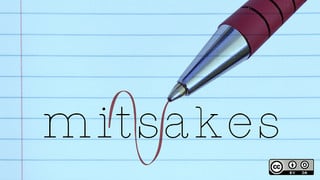
3 min read
Mistakes are a healthy part of learning. They're nothing to be embarrassed about, as long as you learn from them and move on. But being sloppy is a...

3 min read
Writing a safety speech can be a daunting task. But rather than staring at a computer screen for inspiration, we've put together some helpful topic...
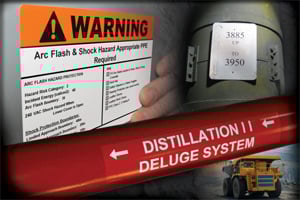
2 min read
Every mining company knows that a safe working environment for everyone, including sub-contractors, is the mine site’s responsibility – even if...
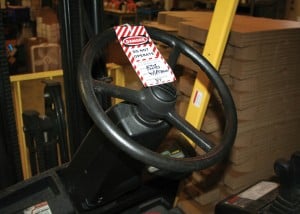
2 min read
When it comes to warnings about potential dangers or giving people an important instruction on site, you have to rely on labels and signs to...

2 min read
If you're in charge of writing the next safety message or safety slogan for your company's safety initiatives, you know that you've got a challenge...

3 min read
How the safety speech is written depends upon it's form of delivery (eg: written speech for the annual report, face to face presentation to staff or...

1 min read
Research studies tell us that 70% of workplace mistakes are a result of poor communication.