






1 min read
How to Create the Best Workplace Training Materials
Companies often tell us that they are frustrated by how hard it is to engage staff with training.

Develop leaders, strengthen executive teams and gain deep insights with assessments designed to accelerate trust and performance.

Transform how your leaders think and perform with keynotes that spark connection, trust and high-performance cultures.

Explore practical tools, thought-leadership and resources to help you build trusted, high-performing teams.

Trustologie® is a leadership development consultancy founded by Marie-Claire Ross, specialising in helping executives and managers build high-trust, high-performing teams.

2 min read
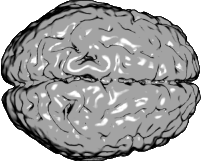
 In the book, A Whole New Mind by Daniel Pink, he compares both the left and right hemispheres of the brain and discussed that you need to include both hemispheres when creating anything new.
The left hemisphere is rational, linear, logical and analytical. It likes to analyses details. Those who are more L-directed thinkers are accountants, lawyers and engineers.
While the right hemisphere is instinctive, empathetic, understands context (the left brain handles what is said, while the right focuses on how it's said), non verbal and emotional cues. It sees the big picture. Those who are more R-directed in their thinking are entertainers, artists, designers and counsellors.
Both sides work together - but they have different specialties.
The left hemisphere knows how to handle logic and the right hemisphere knows about the world. Put them together and you have a powerful thinking machine. Get them to work separately and life becomes, well one-sided and a little strange.
Our education system has tended to focus and reward more L-directed thinking such as using exams as the only way for students to access University and teaching students by talking a lot at them. But we're now moving away from the era of left-brain dominance in our society.
Now, more R-directed techniques are being such in education. These include using role plays, story-telling and getting students to build their own things rather than just being told how to make things.
So with training you need to appeal to both sides of the brain to maximise training outcomes. After all, Daniel Pink tells us that to obtain professional success and personal fulfillment, we need to start activating our right brain more.
Let's take a look at producing an effective workplace training program that activates both sides of the brain (most of these you will already know about it, but you might not know why they work so well):
What other left brain/right brain activities do you like to include?


1 min read
Companies often tell us that they are frustrated by how hard it is to engage staff with training.

1 min read
Many companies often get frustrated about how their workplace training is inconsistent from site to site, despite trainers using the same training...

1 min read
Inductions represent the most teachable moment companies have with new starters. They are an ideal time to align staff and contractors with what...